


































Product Description
A.Ex The Yardbirds Vintage 1964 Marshall Metal Coffin Logo 4×12 Guitar Amplifier Cabinet
Ex The Yardbirds Vintage 1964 Marshall Metal Coffin Logo 4×12 Guitar Amplifier Cabinet
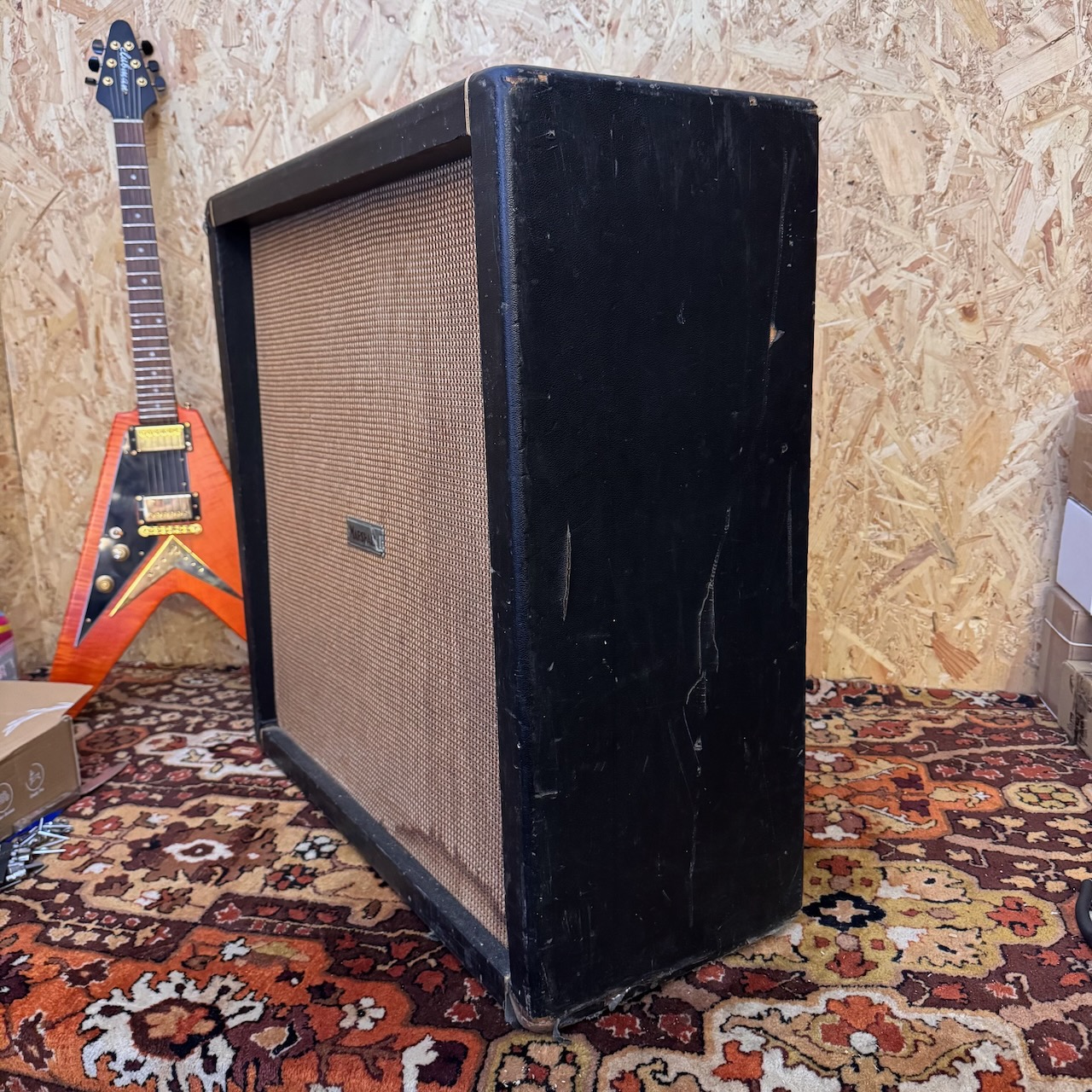
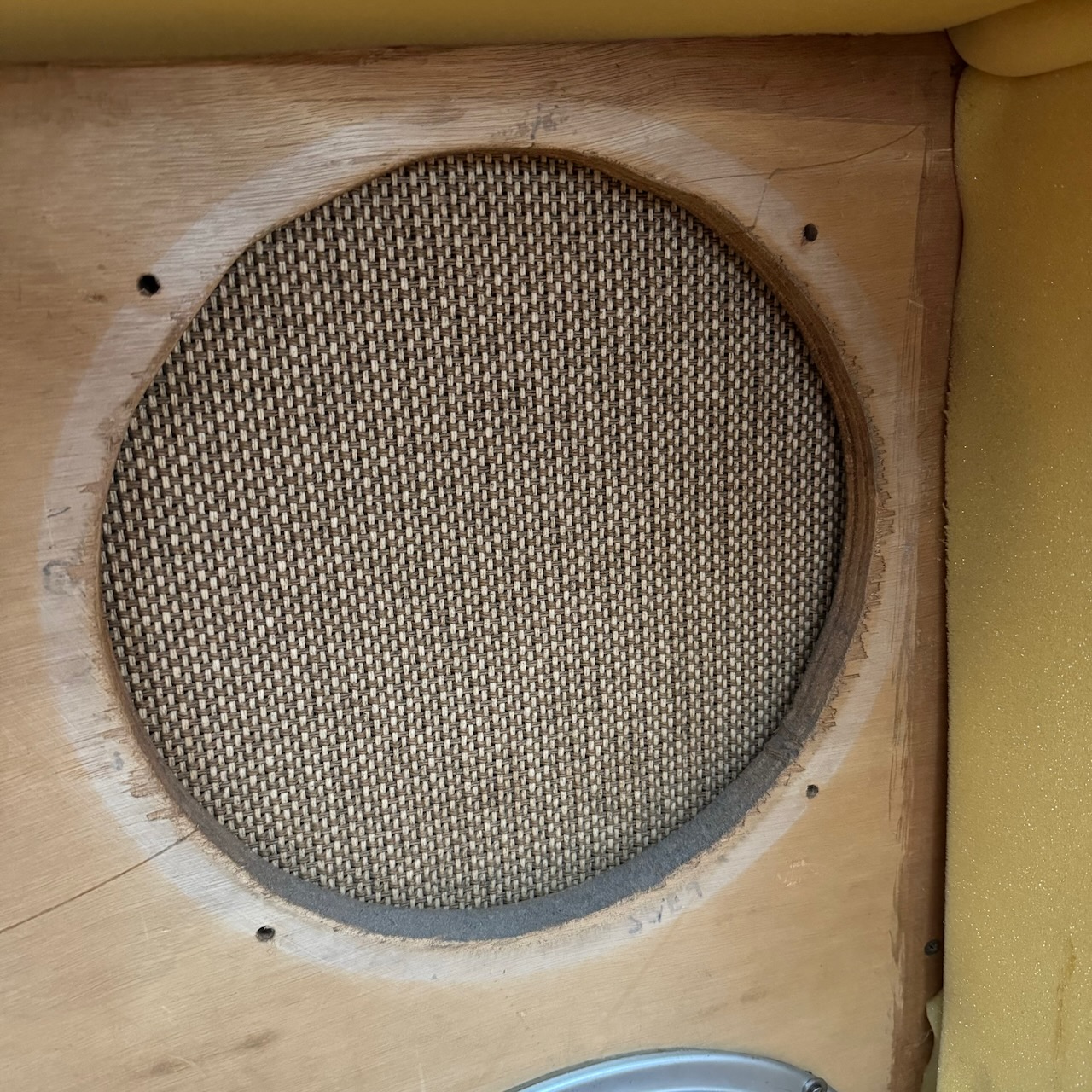
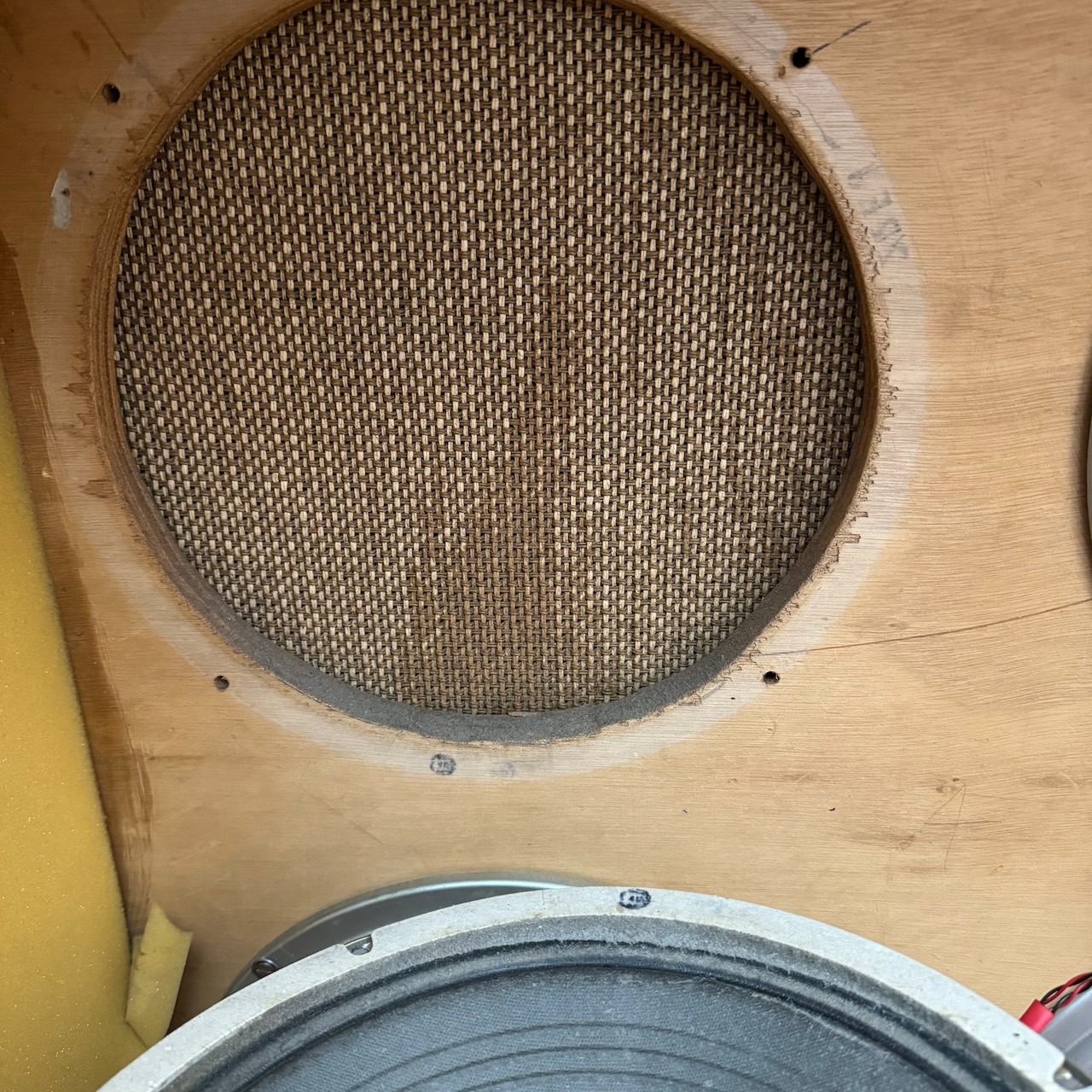
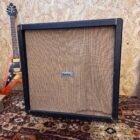
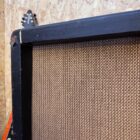
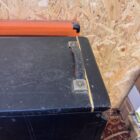
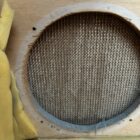
This is among the first dozen 4×12 Marshall’s ever built. This early cabinet stands as one of the true genesis pieces of the brand’s legacy. Handmade in the period before the production line took shape, when Jim and his small crew were still experimenting with form, function, and feel. It features the ultra-rare first-style basketweave grille cloth — a texture I’ve only seen on four early builds (two of which feature on Free’s Live at Granada TV footage!) — with a slightly different weave to the later 1960s pattern. The cabinet’s body is thinner at 12″ deep, has smooth tolex and top-mounted strap handles. All of which set it apart from the standard configurations that followed only months later.
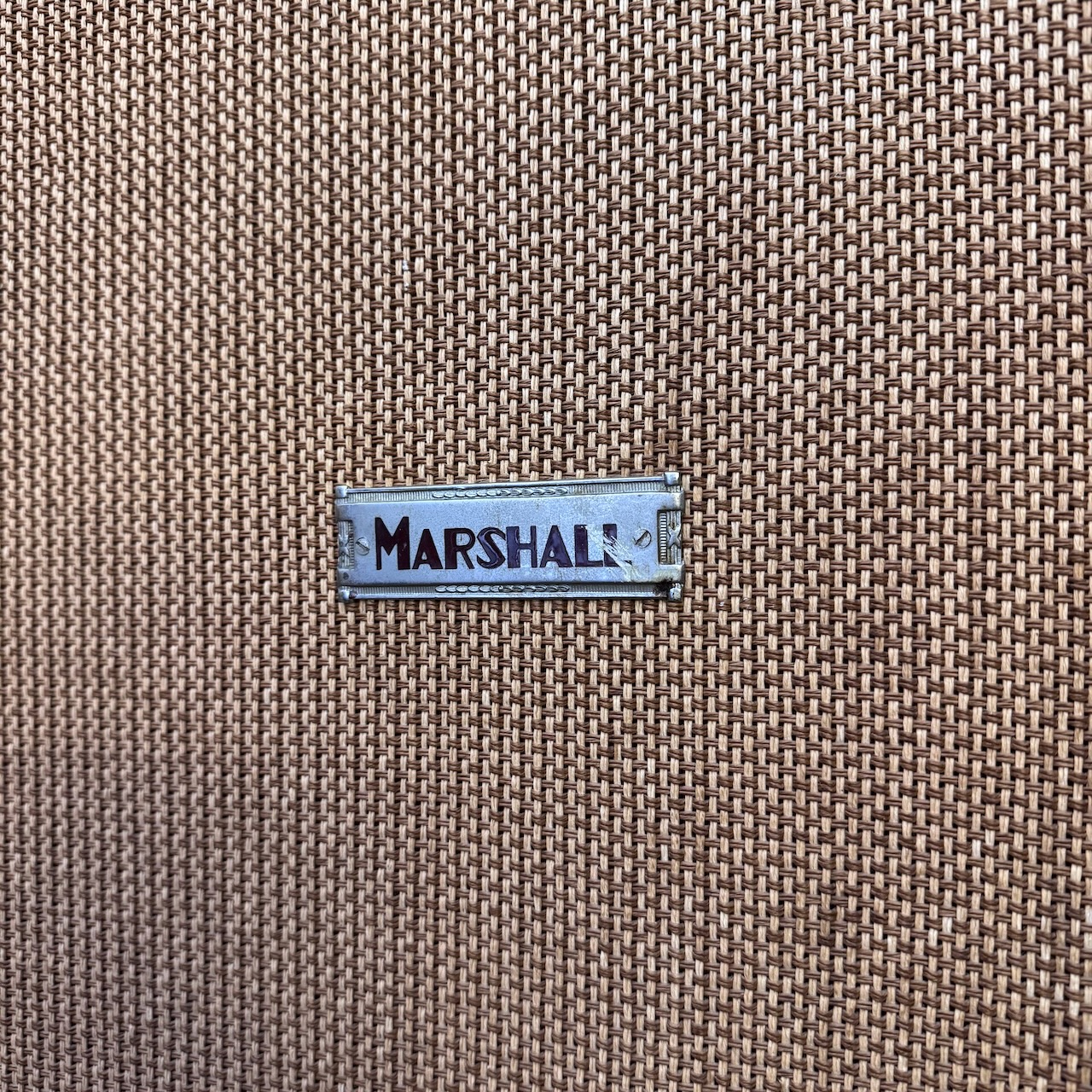
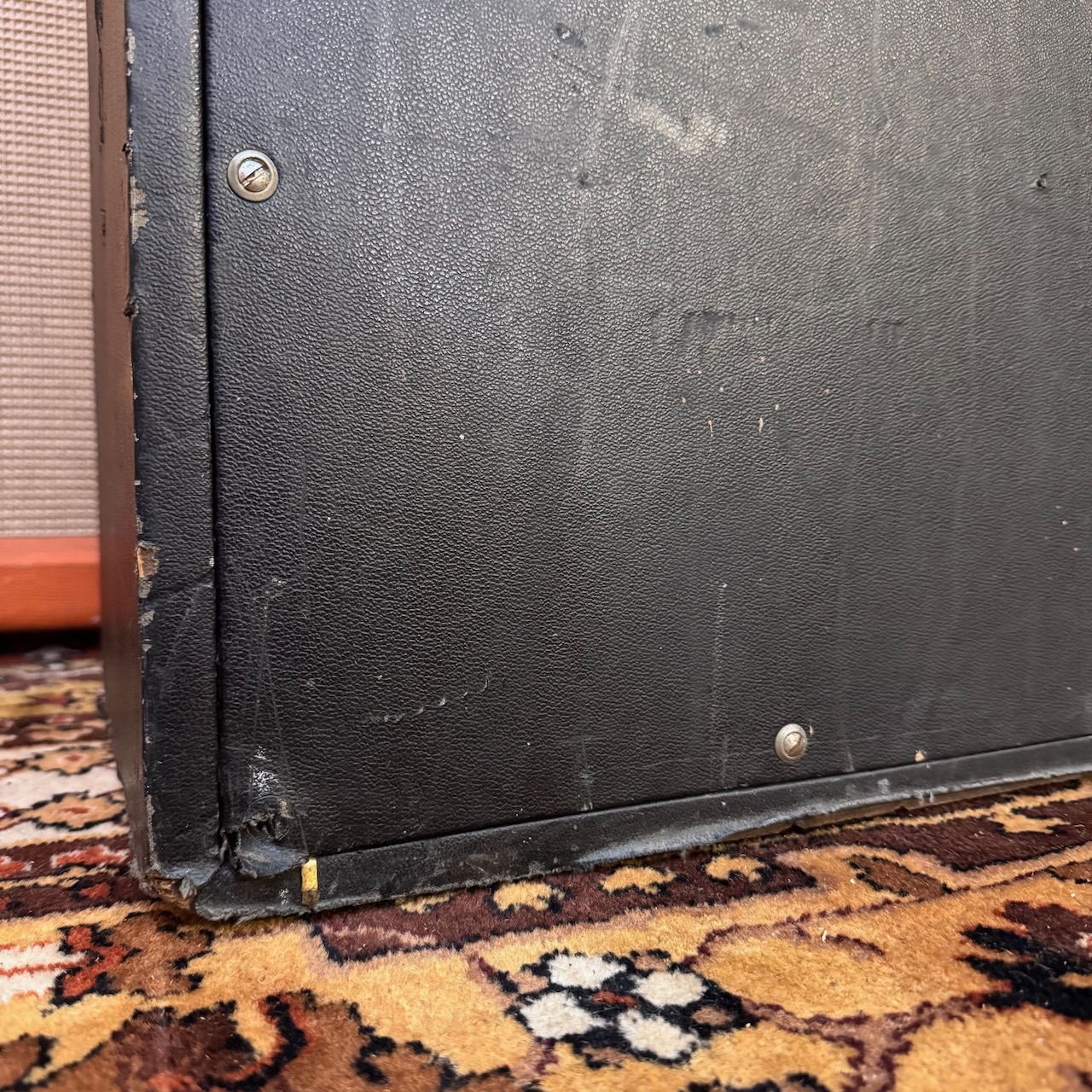
The original metal “coffin” badge graces the front — the earliest incarnation of the now-iconic Marshall logo. According to a former Marshall director, this was built before the production line was even formalised. Evident in the factory upside-down box construction. A rushed build — made fast for one of the bands that were turning every London venue inside out. Even the tolex tells the story — hand-cut and overlapped front corners, squared and uneven, only seen on the very first builds.
Speakers
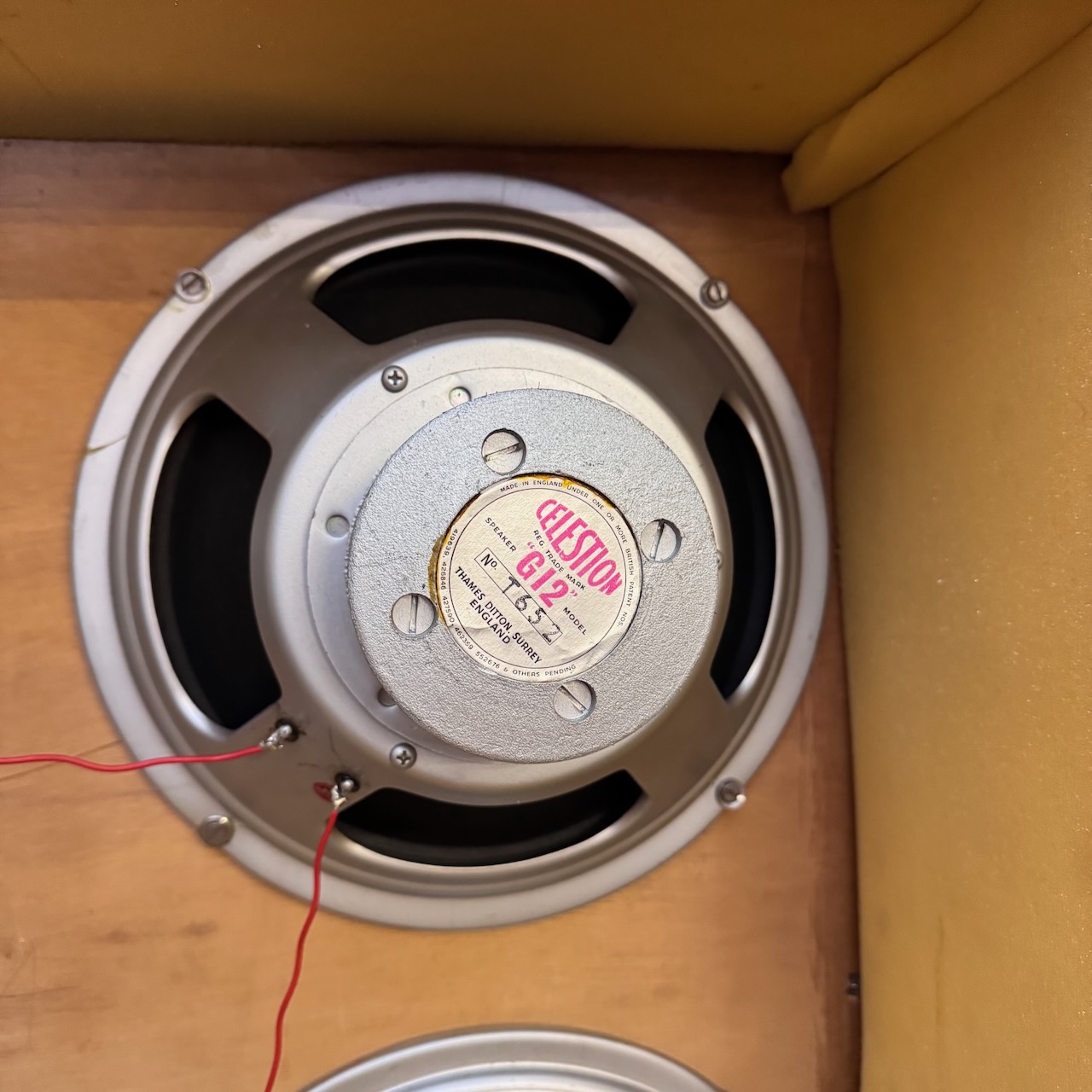
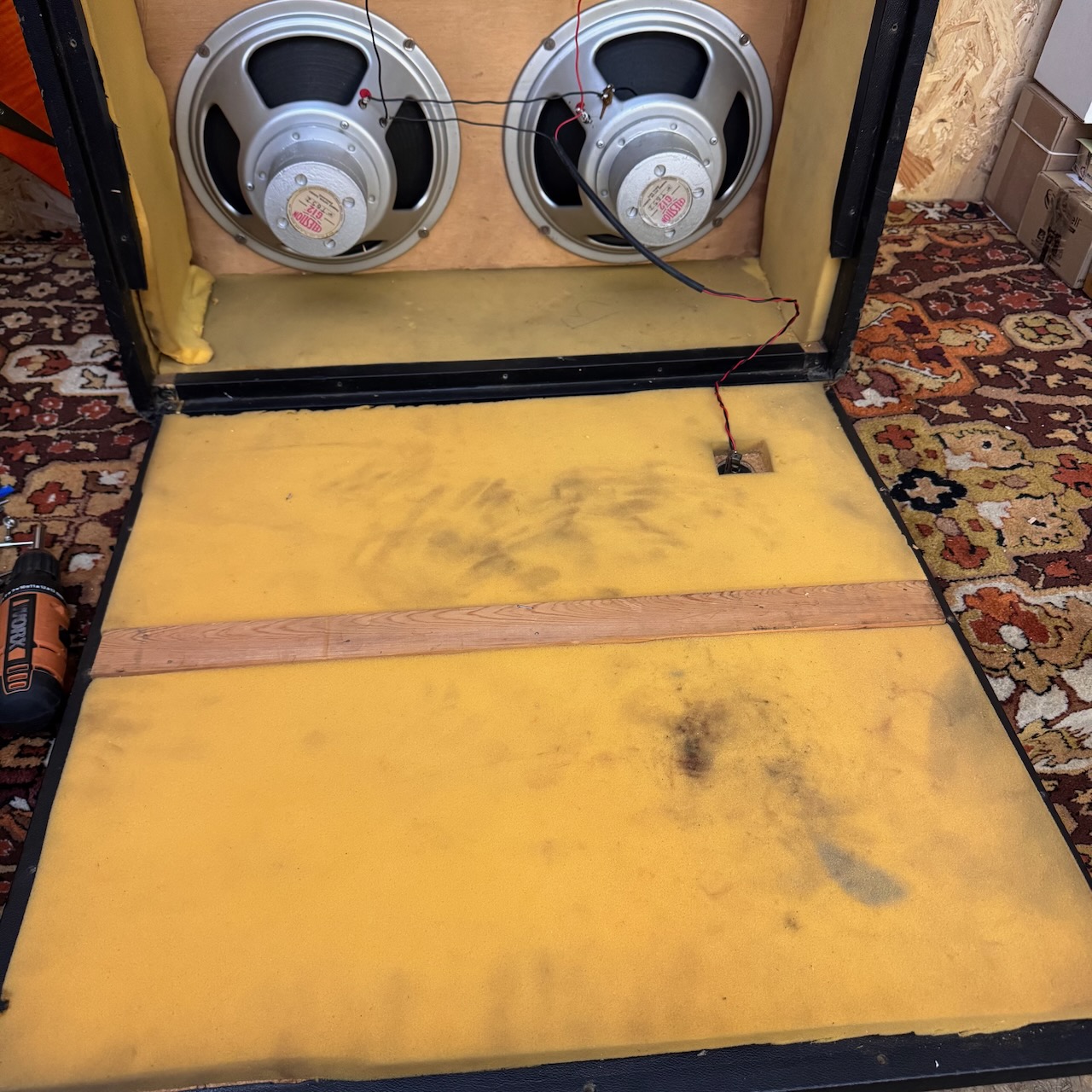
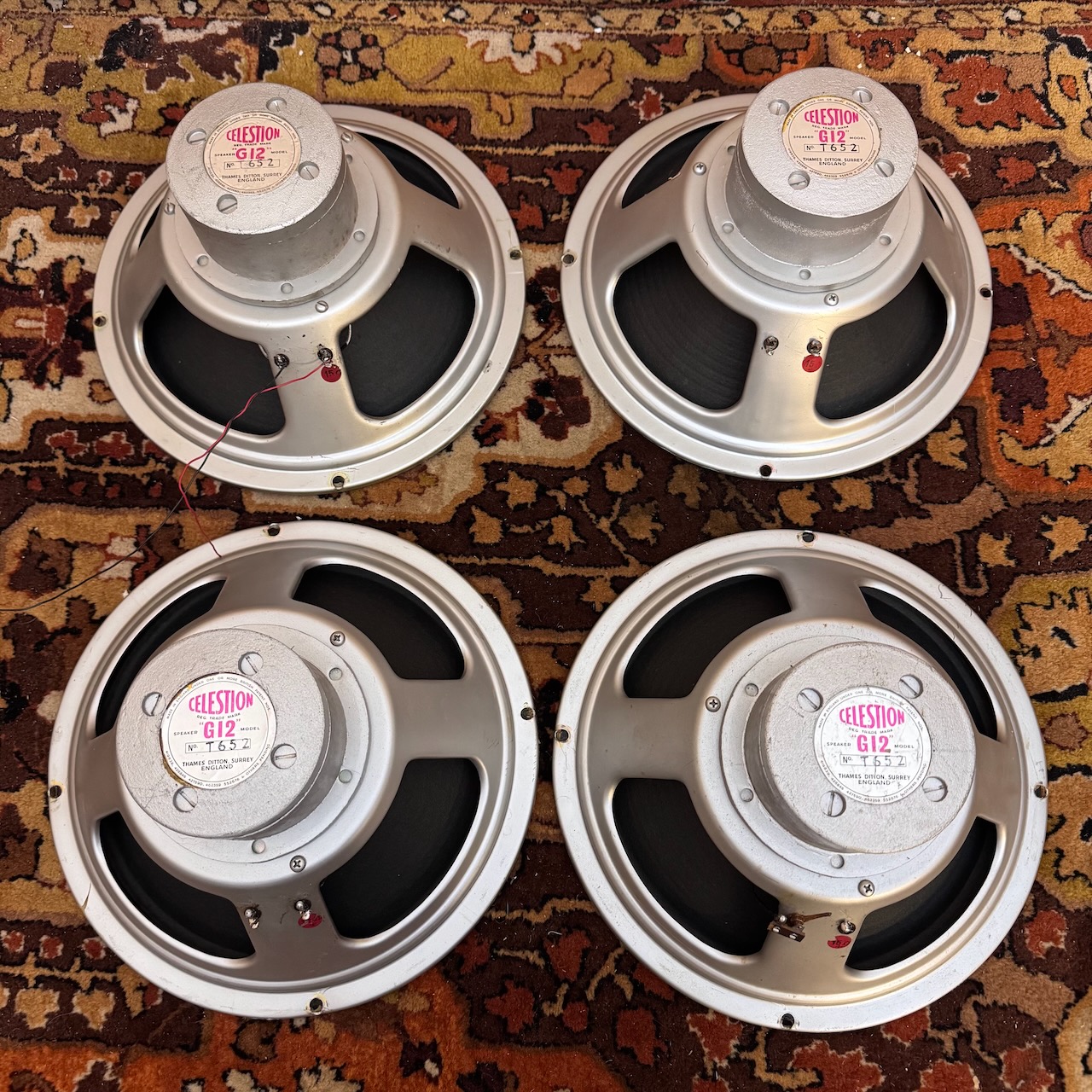
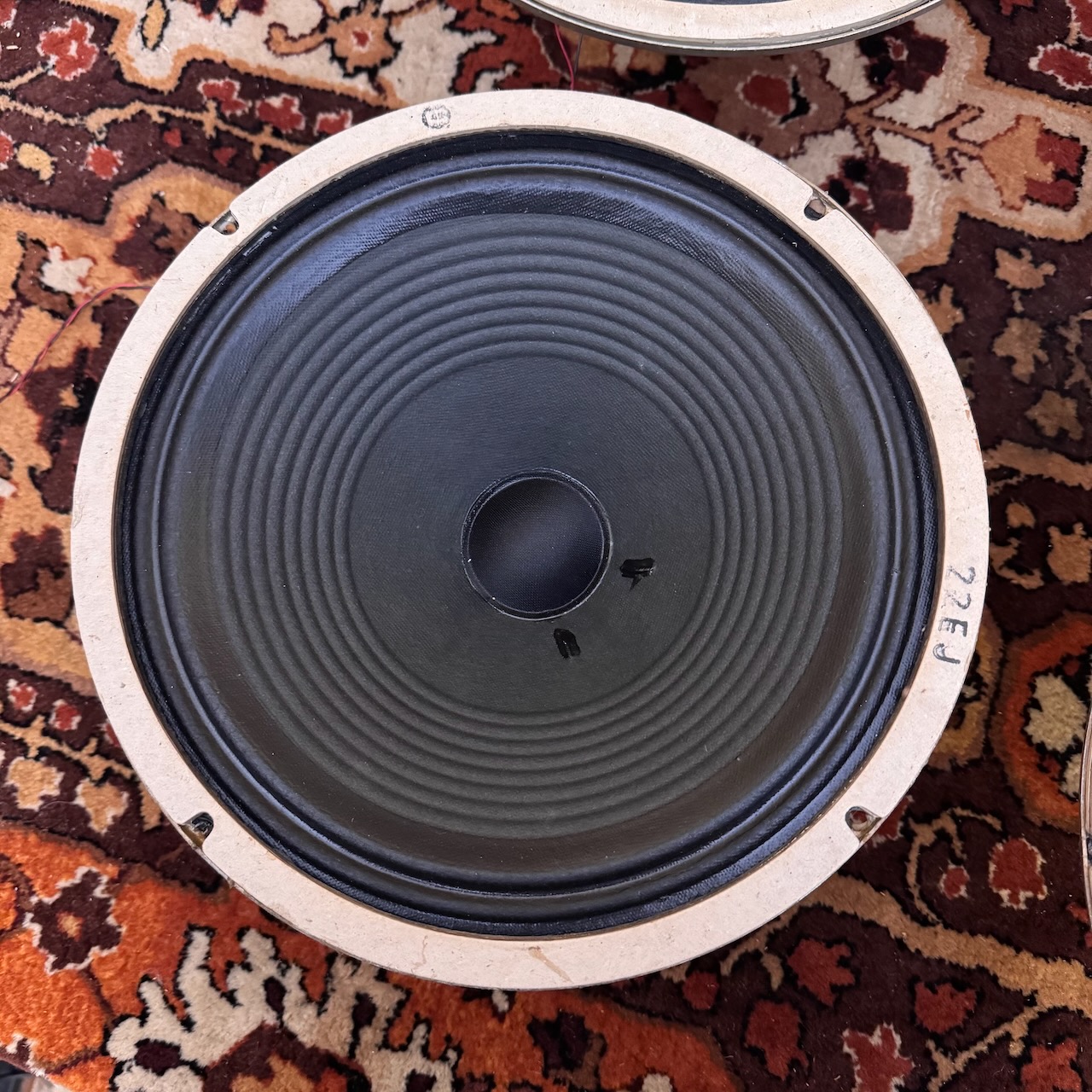
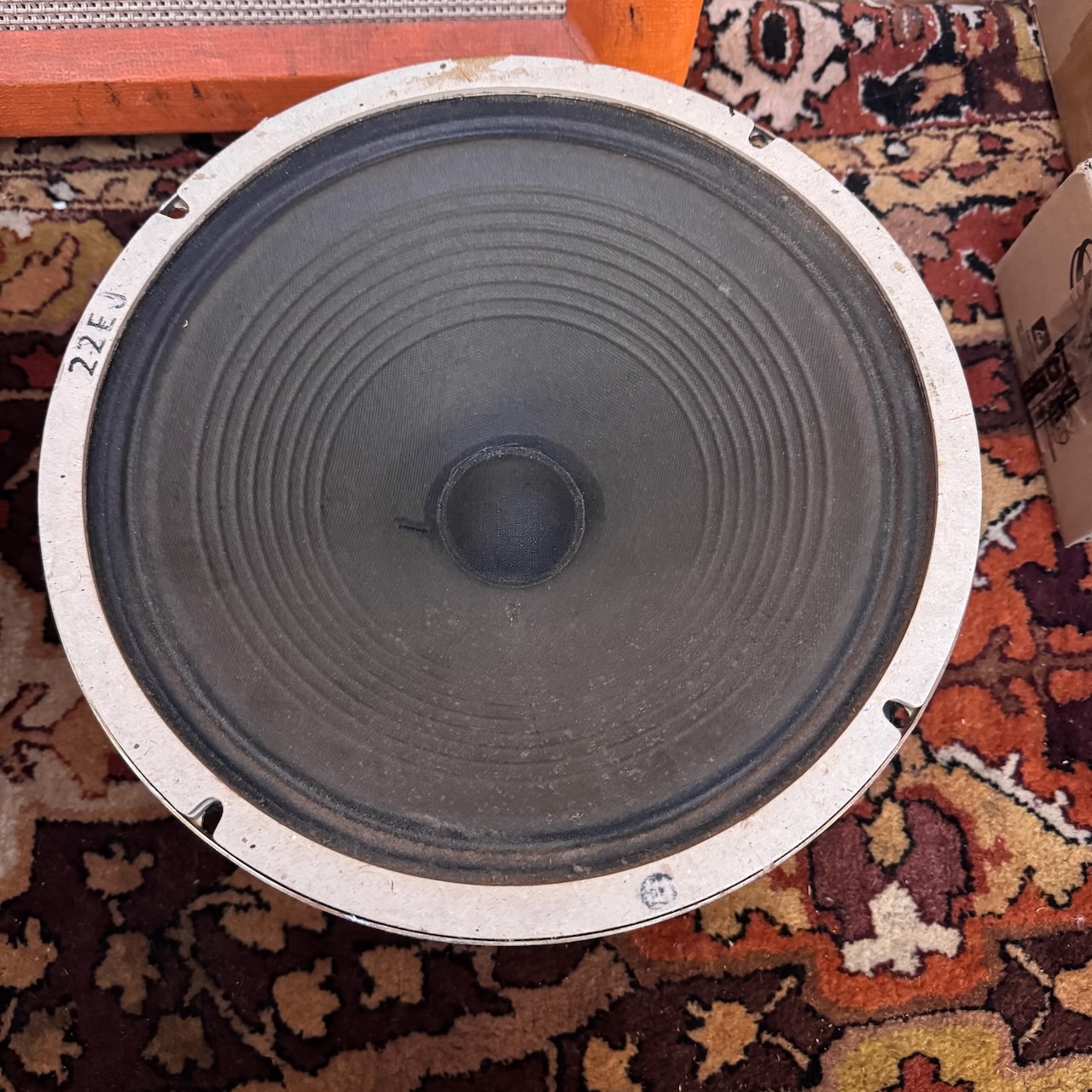
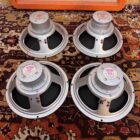
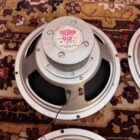
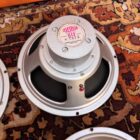
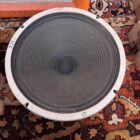
Inside, it houses four Celestion Alnico Silver T652 speakers — three dated 22nd May 1964, and one, the bottom left, from 14th November 1963. This is likely period-correct replacement. Evidence of this swap can be seen in the faint outline of the original code (22EJ) still visible around the rim. A small but telling detail of the cabinet’s working life. The same speaker also aligns with the telltale mark of a spilled pint that slightly darkened the front cloth. A piece of honest history — the kind of story that could only come from the smoky stages of early British rock.
5th National Jazz & Blues Festival, Richmond, August 6th, 1965
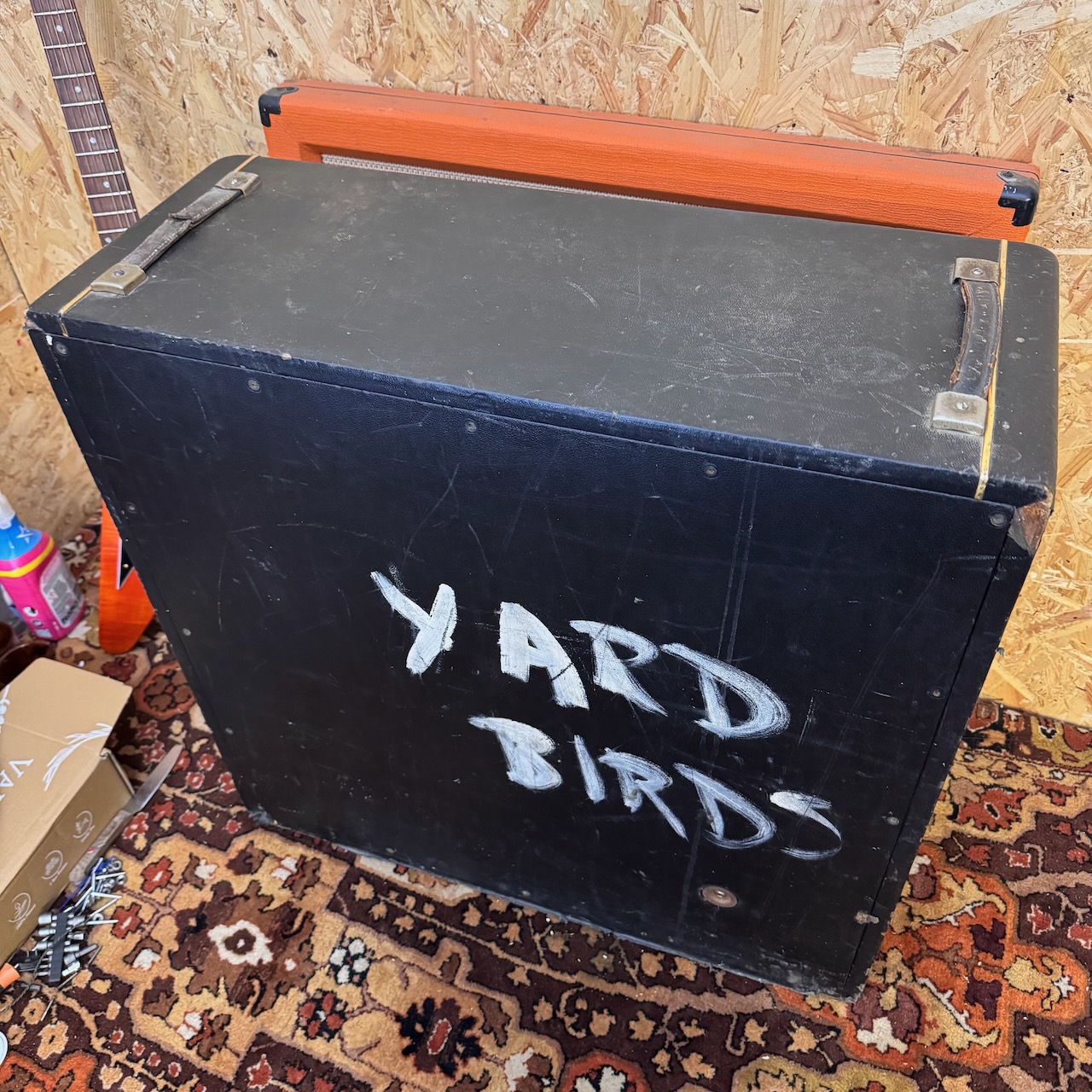
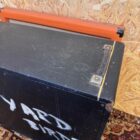
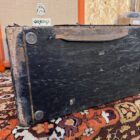
This is where the cabinet gets even more exciting! Around the back, a hand-painted “Yard Birds”marking. This is not just one of the earliest Marshall cabinets ever built, but one that played a direct role in the genesis of British rock. Stage-used by The Yardbirds at the 5th National Jazz & Blues Festival, Richmond, August 6th, 1965. This was one of Beck’s first major live appearances with the group, marking a pivotal moment in the evolution of the modern electric guitar sound.
The painted Yard Birds scrawl still remains — almost certainly done by a roadie mid-chaos. This cabinet’s provenance is not conjecture — it is visually documented. It can be seen on stage with The Yardbirds and Jeff Beck at the 1965 Richmond Festival, as well as in “Shindig! Goes to London” (notably during performances of “For Your Love” and “Hang On Sloopy”). It’s hard to see in the footage whether Jeff Beck or Paul Samwell-Smith plugged into this beauty, but it can be seen sat just behind drummer Jim McCarty.
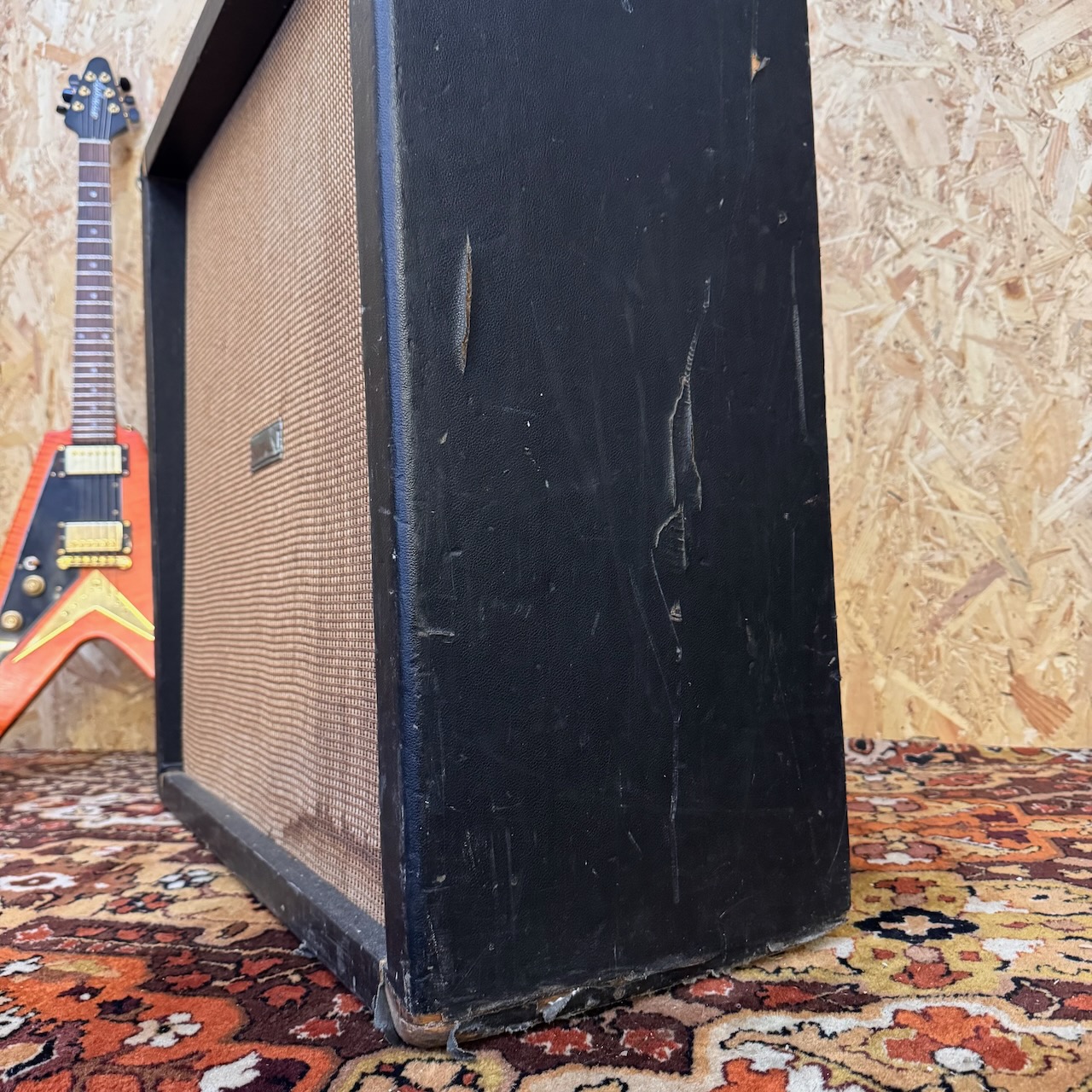
Even more intriguingly, it appears on the same stage as The Who (again sat behind drummer Keith Moon). They played immediately before The Yardbirds — a crossover of two bands who would go on to shape the very fabric of rock music. Footage of the Richmond show reveals a tear in the tolex on the right-hand side (as viewed from the front). On inspection, this cabinet bears an expertly repaired tear in the exact same location and size. A small but significant clue — adding weight to its origin story.
Since Then
Following its run with the band, this cabinet passed through several influential London studios and labels. They include Armageddon Records, Alaska Studios (Waterloo), and SmithSound. Before settling into a private home studio in 1990, where it has remained since. The previous owner, who acquired it around 1980, supplied a signed letter outlining the amp’s journey through the decades,
When I received the cabinet, it was missing the leather insert from one of the handles. It had a later non-original white input jack, and three of the speakers were not functioning. I sourced an original handle and an authentic Radiospares jack socket. lt also had the three faulty speakers professionally re-coned using correct replacement cones. I have well-documented before-and-after photos of this process as well.
This is a true transitional artefact. This cabinet bridges the hand-built, small-shop origins of Marshall with the birth of the production models that would soon define the sound of the British Invasion. Few of these early handmade 4x12s survive.
An extraordinarily rare and historically significant example — you will not get this opportunity again!